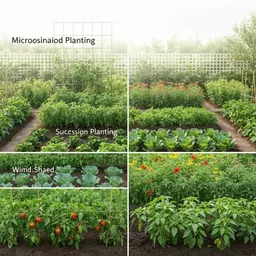
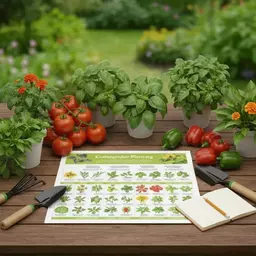
Step-by-Step Planner Importance
- ✓ Track progress & accountability
- ✓ Allocate time efficiently
- ✓ Allow for adjustments

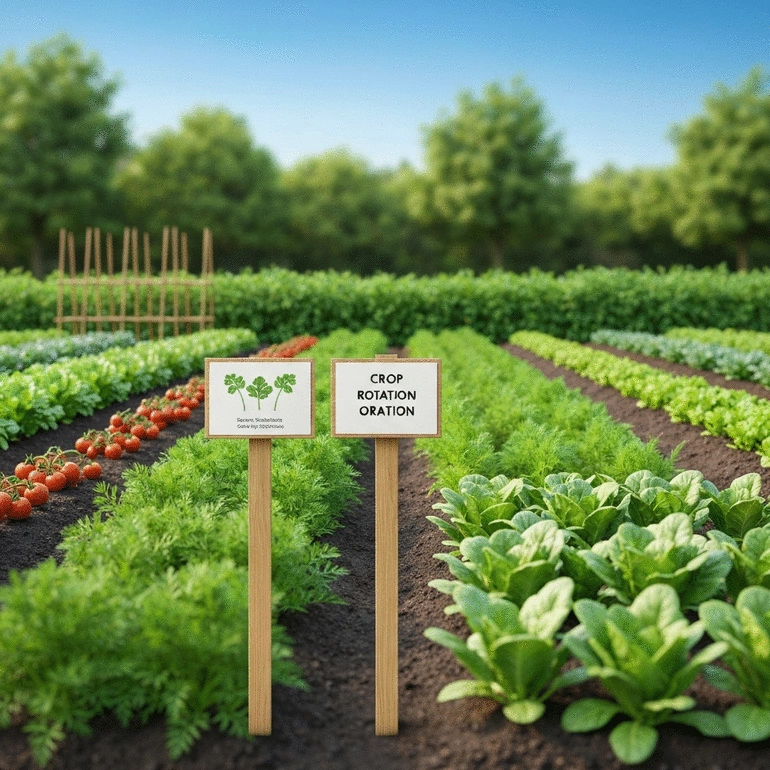
Have you ever considered how a structured plan can transform your vegetable garden into a thriving oasis? The right approach to vegetable garden planning not only yields bountiful produce but also creates a sustainable environment for your plants. Let's dive into some key insights from this gardening journey!
Effective planning is crucial for a bountiful and sustainable vegetable garden. These strategies ensure optimal plant growth and soil health.
As we embark on the journey of creating a vibrant vegetable garden, it's essential to lay a strong foundation. Planning your vegetable garden is not just about choosing plants; it’s about understanding the entire process from start to finish. This step will ensure your garden yields delicious produce throughout the growing season.
A step-by-step vegetable garden planner can be your best friend in this endeavor. It helps you stay organized and focused on your gardening goals. By breaking down the tasks involved, you can efficiently manage your time and resources, maximizing your gardening potential! For comprehensive guidance, consider exploring resources like the National Agricultural Library’s vegetable gardening section.
Having a structured plan in place is crucial for any gardener, whether you’re a seasoned pro or a beginner. A planner acts as a roadmap, guiding you through each phase of your gardening journey. Here are a few reasons why a step-by-step plan is essential:
When I started Year-Round Gardening Insights, I quickly realized that a well-organized planner could make all the difference. It enables me to match my gardening activities with the seasons, ensuring that I’m always prepared for what lies ahead!
To cultivate a flourishing vegetable garden, it’s essential to consider several key components. Here’s a breakdown of what to include:
By addressing these components, you set the stage for a thriving garden! Remember, investing time in the planning phase can lead to bountiful harvests later on.
Preparing your soil is one of the most critical steps in vegetable garden planning. Healthy soil is the foundation of a successful garden, providing nutrients and support for your plants. For detailed information on soil preparation, you can refer to guides like the Virginia Cooperative Extension's guide on soil preparation. Here are some effective soil preparation techniques:
When I first began gardening, I underestimated the power of good soil. Now, I know that a little effort at the beginning pays off in big ways come harvest time!
Not all vegetables thrive in every climate, so it's crucial to choose varieties that suit your local conditions. Understanding your gardening zone can help you select the best options for your garden. Consider the following tips:
As you explore your options, take note of what has worked well for me at Year-Round Gardening Insights. Tailoring your plant selections to your climate not only promotes healthier growth but also leads to more successful harvests! For further assistance with plant selection, the UConn Home & Garden Education Center offers valuable factsheets.
Did you know? Incorporating companion planting can significantly enhance your vegetable garden's productivity and health. By strategically pairing plants that benefit one another—like tomatoes with basil or carrots with onions—you can naturally deter pests, improve pollination, and even enhance flavors!
Here are some common questions to help you further understand and plan your vegetable garden:
As we dive into the world of vegetable garden planning, it’s crucial to revisit some of the key strategies we've discussed. Effective planning not only sets the stage for a bountiful harvest but also creates a sustainable environment for your plants. Let’s take a moment to reflect on the importance of crop rotation and proper spacing.
By applying these techniques, you're not just planting vegetables; you're nurturing a thriving ecosystem. Here’s a quick recap of the essential strategies:
Did you know that crop rotation can significantly improve your garden’s health? By rotating your vegetable crops, you’re allowing your soil to replenish nutrients that certain plants deplete. This practice not only helps maintain soil health but also minimizes the risk of disease and pest issues.
Proper spacing is equally important. When plants are too close together, they compete for resources, which can result in stunted growth. By following recommended spacing guidelines, you promote a healthier garden that flourishes throughout the growing season. Here are a few benefits of adopting these practices:
As a passionate gardener, I can’t stress enough how proper planning can transform your vegetable garden! One of the foundational elements is nurturing soil health. Healthy soil is teeming with microorganisms that help break down organic matter and create a rich environment for plants to thrive.
Additionally, by planning your garden layout with pest management in mind, you can deter unwanted visitors. For example, interplanting certain vegetables and herbs can naturally repel pests. Here are some effective strategies:
Weeds can quickly become the nemesis of any gardener! Effective weed management is essential not only for your plants' health but also for preserving your time and energy. By staying proactive with your weed control, you ensure your vegetables have every opportunity to thrive.
Incorporating disease management strategies into your planning is equally vital. Being aware of common diseases in your area and understanding how to prevent them can save your garden from potential disaster. Here are some tips to keep in mind:
Now that we’ve covered the essentials, it’s time for you to take action! Planning your vegetable garden doesn’t have to be overwhelming; with the right tools and support, you can create the garden of your dreams!
At Year-Round Gardening Insights, we believe in the power of community. Join us to connect with fellow gardening enthusiasts who share your passion! Our community is full of valuable tips, insights, and experiences that can enhance your gardening journey.
Don’t forget to check out our free downloadable planners and resources! These tools are designed to help you stay organized and make the most of your gardening efforts. With our planners, you’ll easily track planting dates, crop rotations, and more!
If you’re looking for more personalized guidance, consider attending one of our gardening workshops. These hands-on sessions provide real-time learning opportunities that can help you master the skills needed for successful gardening. Let’s grow together!
Here is a quick recap of the important points discussed in the article: