Home >

Seasonal Garden Planning for Beginners

Seasonal Garden Planning for Beginners

Beginner's Guide to Creating a Seasonal Garden Plan from Scratch
Clara Hampton | 2026-01-23

Are you ready to transform your garden into a thriving oasis? Understanding the essentials of seasonal garden planning is the first step to achieving a bounteous harvest all year round. Let's explore the key principles that will help you cultivate your green space effectively!

What You Will Learn

  • The importance of having a seasonal garden plan to optimize planting schedules and resource management.
  • How to identify your gardening zone to choose the right plants that thrive in your climate.
  • The significance of plant hardiness and climate zones in selecting plants for successful growth.
  • Key steps to design a practical garden layout and maximize yield by timing your planting effectively.

Key Steps for Seasonal Garden Planning

A successful garden thrives on careful planning. Here are the essential steps to cultivate a vibrant garden throughout the seasons.

Understand Gardening Zone & Climate

Identify your USDA Plant Hardiness Zone and local climate to select appropriate plants.

Choose Right Site (Sunlight & Drainage)

Evaluate your garden's sunlight exposure and soil drainage for optimal plant placement.

Select Seasonal & Compatible Crops

Pick plants that thrive in current seasonal conditions and complement each other.

Design Practical Layout (Spacing & Soil)

Plan your garden layout considering plant spacing, soil needs, and accessibility.

Time Your Planting for Max Growth

Adhere to optimal planting schedules to ensure robust growth and abundant yields.
Understanding the Basics of Seasonal Garden Planning for Beginners

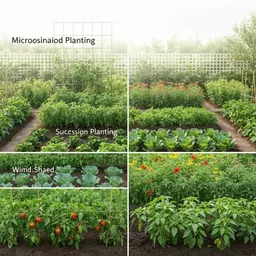
Welcome to the exciting world of gardening! Understanding the fundamentals of seasonal garden planning is the first step to transforming your green space into a thriving sanctuary. Whether you're just getting started or looking to refine your gardening skills, a solid seasonal plan is crucial. It helps you organize your planting schedule, select the right plants, and maximize your garden's potential year-round.

A well-structured seasonal garden plan ensures that you plant at the right time, choose plants that thrive in your climate, and maintain a vibrant garden throughout the seasons. So, let's dig deeper into the essentials! 🌱

What is a Seasonal Garden Plan and Why is it Important?

A seasonal garden plan is essentially a roadmap for your garden, detailing what to plant and when to plant it based on seasonal changes. This plan helps you anticipate the unique needs of your plants throughout the year, making it easier for you to maintain their health and productivity.

  • Timing is Everything: It allows you to plant crops at the optimal time for growth.
  • Resource Management: Helps you manage resources like water, fertilizers, and tools effectively.
  • Improved Yields: Increases the chances of a bountiful harvest by aligning plant choices with seasonal conditions.

By understanding these factors, you can create a garden that flourishes no matter the season! Have you thought about what you want to grow yet?

Identifying Your Gardening Zone: How Climate Affects Your Plants

Knowing your gardening zone is a key element in planning a successful garden. Gardening zones are defined by climate and temperatures, which directly influence plant growth and survival. For instance, if you're in a warmer zone, you may be able to grow a variety of plants that thrive in heat! To learn more about identifying your zone and what plants thrive there, the USDA National Agricultural Library offers comprehensive resources on vegetable gardening.

  • Find Your Zone: Check the USDA Plant Hardiness Zone Map to identify your zone.
  • Right Plant, Right Place: Choose plants that are suited for your specific climate conditions.
  • Seasonal Considerations: Be aware of frost dates and seasonal weather patterns that may impact plant growth.

Understanding your climate not only helps you choose the right plants but also allows you to plan for temperature fluctuations and seasonal changes effectively.

The Importance of Plant Hardiness and Climate Zones in Garden Planning

Plant hardiness refers to a plant's ability to survive in a given climate. This concept is critical for effective garden planning because it ensures that you select plants capable of thriving in your specific zone. Not all plants can withstand the same conditions, so knowing your area's climate zone is vital! Further information on plant hardiness and selecting appropriate plants can be found through extension services like the University of Nevada, Reno.

  • Research Plant Hardiness: Familiarize yourself with the hardiness of plants to ensure a successful garden.
  • Adjust Your Choices: Select plants that are known to perform well within your zone's temperature ranges.
  • Plan for Transition: Consider how some plants may need protection during seasonal changes.

By focusing on plant hardiness and climate zones, you can create a resilient garden that stands the test of time. Remember, gardening is a journey filled with learning opportunities!

Pro Tip

One of the best ways to ensure your garden thrives is to practice companion planting. This technique involves planting different crops together in a way that benefits each other. For example, planting basil near tomatoes can enhance their growth and flavor while also repelling harmful pests. Consider researching companion plants that work well for the specific crops you intend to grow! For detailed guidance on plant selection and companion planting, the USDA Natural Resources Conservation Service offers valuable insights.

Recap of Key Steps for Your Seasonal Garden Planning Journey

As we wrap up this section on seasonal gardening planning, let’s take a moment to reflect on the journey from scratch to harvest. It’s been quite an adventure, hasn’t it? By now, you should feel equipped with the knowledge to create your very own seasonal garden plan that aligns with your unique gardening zone and climate.

Remember, the key steps involve:

  • Understanding your gardening zone and its climate effects.
  • Choosing the right site while evaluating sunlight and drainage.
  • Selecting crops based on their seasonal availability and compatibility.
  • Designing a practical layout that considers spacing and soil needs.
  • Timing your planting to maximize growth and yield.

Each of these steps plays a crucial role in setting you up for success. With careful planning and consideration, you’ll be well on your way to enjoying a vibrant garden throughout the seasons!

Frequently Asked Questions About Seasonal Garden Planning

What is a seasonal garden plan?
A seasonal garden plan is a roadmap that outlines what to plant and when, based on seasonal changes and your local climate. It helps optimize planting schedules, manage resources, and improve yields.
Why is it important to know my gardening zone?
Knowing your gardening zone (e.g., USDA Plant Hardiness Zone) is crucial because it indicates the temperature extremes your climate experiences. This helps you select plants that can survive and thrive in your specific region, preventing wasted effort and resources.
What is plant hardiness?
Plant hardiness refers to a plant's ability to withstand the climatic conditions of a particular area, especially its low winter temperatures. Selecting plants with appropriate hardiness for your zone is essential for their long-term survival and growth.
How does sunlight and drainage affect my garden plan?
Sunlight exposure and soil drainage are critical factors because different plants have varying requirements. Proper planning ensures that plants needing full sun receive it, while those preferring shade are appropriately placed. Good drainage prevents root rot and other moisture-related issues.
What is companion planting?
Companion planting is the practice of growing different plants near each other for mutual benefit, such as pest deterrence, attracting beneficial insects, or improving growth and flavor. It's a natural way to enhance garden health and productivity.

Taking the Next Steps: Resources and Tools to Enhance Your Gardening Experience

Additional Resources: Where to Find More Information and Community Support

Once you’ve completed your garden plan, it’s time to dig deeper and explore additional resources that can enhance your gardening journey. Community support is invaluable, and there are numerous avenues to connect with fellow gardeners!

  • Join online gardening forums and social media groups.
  • Visit local gardening websites for tips tailored to your region.
  • Participate in workshops and webinars focused on seasonal gardening.

Engaging with these resources not only broadens your gardening knowledge but also fosters a sense of community. Plus, you can share tips and learn from others’ experiences, making gardening even more enjoyable!

Exploring Local Plant Nurseries and Gardening Clubs for Ongoing Learning

Your local plant nurseries and gardening clubs are treasure troves of information and support. They can provide valuable insights on plant selection, local gardening practices, and even seasonal workshops. Here’s how you can benefit:

  • Ask knowledgeable staff for advice on which plants thrive in your area.
  • Attend club meetings to exchange gardening tips and experiences.
  • Participate in local plant swaps for diverse plant varieties.

Building these connections can lead to lifelong friendships and a wealth of gardening knowledge, enriching your gardening experience even further.

Call to Action: Download Your Seasonal Garden Planner Today!

Are you ready to take your gardening journey to the next level? I invite you to download your very own Seasonal Garden Planner today! This planner is designed to help you stay organized, track your planting schedules, and keep your gardening goals in sight.

By using this planner, you’ll not only streamline your gardening efforts but also cultivate a sense of accomplishment as you watch your garden flourish. So, what are you waiting for? Grab your planner and let’s get growing!

Recap of Key Points

Here is a quick recap of the important points discussed in the article:

  • Understand your gardening zone and its impact on plant growth.
  • Choose the right site by evaluating sunlight and drainage conditions.
  • Select crops based on their seasonal availability and compatibility with your climate.
  • Design a practical garden layout that considers plant spacing and soil needs.
  • Time your planting schedule to maximize growth and yields throughout the year.
Subscribe & Share

About Year-Round Gardening Insights

We empower home gardeners with timely, actionable advice for planning, planting, and maintaining vibrant gardens through every season. Grow your passion with us!