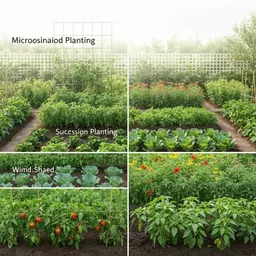
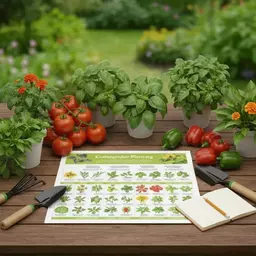
Site Assessment for Optimal Growth
- ✓ Test Your Soil: Understand pH and nutrient levels.
- ✓ Sunlight Assessment: Observe daily sun exposure.
- ✓ Drainage Check: Ensure proper water drainage.

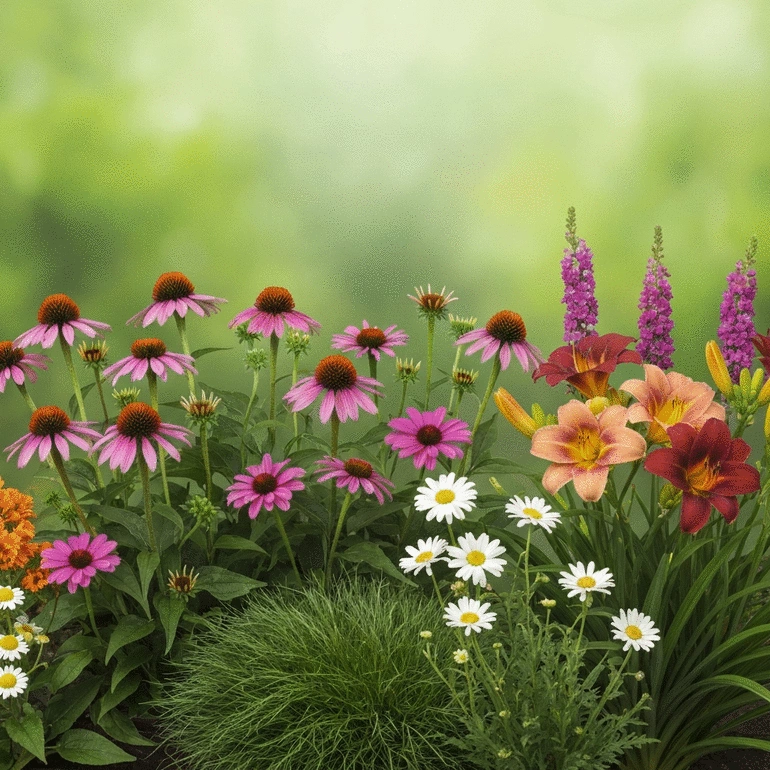
As you embark on your gardening journey, consider this: a well-planned perennial garden not only beautifies your space but also nurtures the environment. With the right strategies, you can cultivate a vibrant garden that thrives year-round.
Creating a vibrant perennial garden involves thoughtful planning and plant selection to ensure year-round beauty and sustainability. Here’s a breakdown of key considerations.
When it comes to creating a stunning garden that thrives through every season, perennial gardens are a fantastic choice! These gardens not only offer sustainability but also provide continuous blooms, ensuring your outdoor space is alive with color and life year-round. By incorporating perennials into your gardening plans, you’re investing in a garden that grows stronger and more beautiful with each passing year.
One of the key benefits of perennial gardens is their ability to return year after year with minimal replanting. This means less effort and cost for you as a gardener! Plus, they contribute positively to the environment by promoting biodiversity and attracting beneficial insects. So, are you ready to dive into the world of perennial gardening?
Planning your perennial garden is crucial for achieving the best results. It helps in selecting the right plants that will not only thrive in your garden but also complement each other beautifully. Below are some compelling benefits of planning your perennial garden:
By understanding the importance of planning, you can create a garden that’s not only visually appealing but also supports local wildlife and ecosystems. For more detailed insights on creating and managing a perennial garden, the Mississippi State University Extension offers valuable resources. Let’s take a closer look at some key principles to keep in mind.
Before you start planting, it’s essential to assess your site. This involves checking soil conditions, sunlight availability, and other environmental factors that can influence plant health. Here are some steps you can take:
By understanding your garden’s unique conditions, you can choose the best perennials that will thrive in your space! And trust me, taking this step will pay off in the long run. For guidance on starting a new perennial garden from scratch, the Penn State Extension provides comprehensive advice.
To create a garden that blooms continuously, consider plants that flower at different times throughout the growing season. This concept of sequential blooming ensures that your garden remains vibrant from spring through fall. Some fantastic perennial options include:
By carefully selecting plants with varying bloom times, you’ll create a constantly changing tapestry of colors and textures in your garden!
Another essential aspect of planning your perennial garden is selecting native plants. Native species are adapted to your local climate and soil conditions, making them easier to grow and maintain. Here are some advantages of incorporating native plants:
By choosing native plants, you not only create a thriving garden but also contribute positively to your local ecosystem. So, consider bringing a piece of your community into your garden!
To enhance the beauty and resilience of your perennial garden, consider incorporating companion planting. This technique involves pairing plants that support each other's growth, such as planting marigolds alongside vegetables to deter pests. Not only does this create a healthier garden ecosystem, but it also adds visual interest and diversity to your space!
Before you dive into planting your perennial garden, there are essential steps that can help ensure your success. Preparing your site properly and choosing the right plants will make all the difference in your gardening journey. Here are some key actions to focus on:
Taking these steps will lay a solid foundation for your perennial garden. Remember, the more effort you put into planning and preparation, the more rewarding your gardening experience will be!
Gardening can often feel like a solitary activity, but it doesn’t have to be! Engaging with the gardening community can provide support, advice, and inspiration. Here’s how you can connect:
By sharing your gardening journey with others, you not only gain valuable insights but also build connections that can enrich your gardening experience.
Perennial gardens are sustainable because the plants return year after year, reducing the need for annual replanting. This also means they generally require less water and maintenance compared to annual plant varieties.
To ensure continuous blooms, plan your garden with a variety of perennials that have different flowering times throughout the growing season, from spring to fall. This creates a rotating display of color and texture.
Native plants are adapted to your local climate and soil, making them easier to grow and maintain with less water and fewer pesticides. They also support local ecosystems by providing food and habitat for native wildlife, including pollinators.
The first steps include assessing your site by testing soil pH and nutrient levels, observing sunlight exposure throughout the day, and checking for proper drainage. This helps you select plants that will thrive in your specific conditions.
Engaging with the gardening community, through clubs, forums, workshops, or volunteering, provides invaluable support, advice, and inspiration. It allows you to learn from experienced gardeners, share your own experiences, and build connections.
Now that you have the knowledge and resources, it’s time to take action on your gardening journey! I encourage you to plan your garden layout and select the perennials that resonate with you. Remember, your garden reflects your personality and provides a sanctuary for you and local wildlife alike! For more detailed guidance on creating a perennial flower border, the UC ANR Garden Notes offers practical tips.
To keep your gardening skills sharp, stay informed with ongoing resources from Year-Round Gardening Insights. Consider subscribing to newsletters or following our blog for continued learning and inspiration. Let’s grow together!
If you’re short on space but still want to enjoy the beauty of perennials, container gardening is an excellent alternative. Here are a few tips to effectively implement this approach:
With container gardening, you can still enjoy the vibrant colors and textures of perennials, no matter how limited your space may be!
Here is a quick recap of the important points discussed in the article: