Are you ready to transform your gardening experience? A garden planning calendar can be your best ally, guiding you through each season with purpose and clarity!
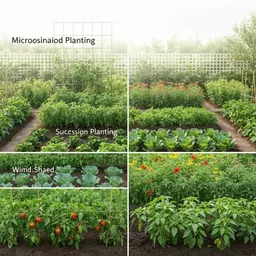
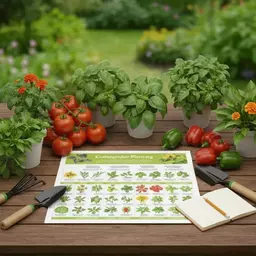
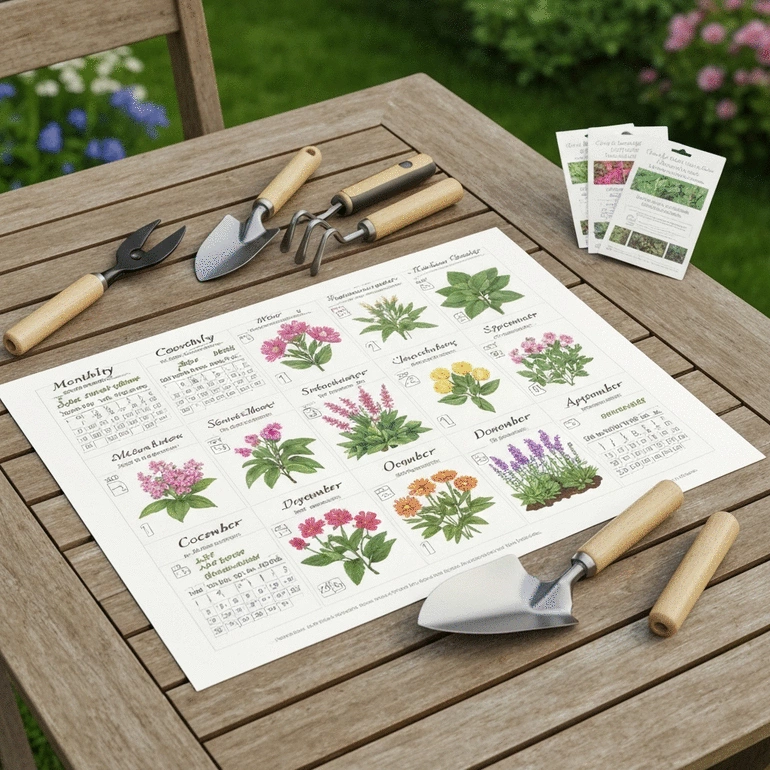
This visual outlines the key gardening activities required throughout the year, broken down by season and month, ensuring a thriving garden from winter to fall.
Dec - Feb: Soil testing & maintenance.
Prepare soil and maintain winter crops.
Mar - May: Plant new seeds & transplant.
Sowing seeds and pruning plants for new growth.
June - Aug: Watering & pest control.
Implement effective watering strategies and manage pests organically.
Sep - Nov: Harvesting & winter prep.
Harvesting produce and preparing the garden for winter.
A garden planning calendar is your compass for navigating the ever-changing seasons and tasks that come with gardening. It helps set a clear path for your gardening journey, ensuring that you’re not just reacting to the moment but proactively preparing for what’s next. By keeping everything organized, you can truly maximize your garden's potential throughout the year! For more insights on maximizing your garden's potential, consider resources like this guide to a more successful garden.
With a structured calendar in hand, you can easily track when to sow seeds, when to prune, and when to harvest, allowing you to embrace the natural cycles of growth. Plus, you'll find that planning ahead not only saves you time but also reduces stress as you stay ahead of seasonal tasks.
Imagine stepping into your garden in early spring, knowing exactly what needs to be done. That’s the power of having a well-organized garden planning calendar! A structured calendar supports year-round gardening by:
In my own experiences at Year-Round Gardening Insights, I've seen firsthand how a simple calendar can transform a chaotic gardening season into a harmonious one. It’s like having a gardening buddy by your side, reminding you when it's time to get your hands dirty! For those looking for a practical tool, a garden calendar can be a great gift for any gardener.
Tracking tasks monthly can be a game-changer for any gardener, regardless of skill level. With a focus on monthly task tracking, you can:
As I reflect on my gardening journey, I recall the months when I diligently tracked my tasks. Those moments helped me pinpoint what my garden truly needed, leading to a thriving green space that flourished season after season. So, grab a notebook or digital tool, and let’s make this gardening year your best one yet!
Now that we understand the importance of a garden planning calendar, let's dive into the monthly breakdown of essential garden tasks. Each season holds unique opportunities, and by breaking it down month by month, we can ensure that nothing falls through the cracks. Let's explore what needs to be done!
To further enhance your gardening experience, consider integrating a digital gardening app with your planning calendar. These apps can send reminders for watering, fertilizing, and pest control, helping you stay organized and proactive. Plus, many offer features that allow you to document your plant growth and seasonal changes, which can be invaluable for future gardening seasons!
A garden planning calendar is a tool that helps gardeners organize and track seasonal tasks, such as sowing seeds, pruning, and harvesting, ensuring proactive preparation and stress reduction.
A structured calendar provides a clear timeline for planting and harvesting, allows for seasonal adjustments based on local climate, helps track plant growth and care routines, and encourages timely pest and weed management.
Monthly task tracking helps align gardening activities with the appropriate season, identify and prioritize crucial tasks, celebrate progress, and adjust plans based on previous months' outcomes.
Consistent gardening practices lead to improved plant health and productivity, reduced stress, greater understanding of plant needs and seasonal changes, and enhanced problem-solving skills.
As we look back over the gardening calendar, it’s essential to recognize the importance of planning and executing monthly tasks. This structured approach not only keeps our gardens thriving but also ensures we’re prepared for the unique challenges each season brings. By breaking down tasks into manageable monthly segments, we set ourselves up for success in every aspect of our gardening journey. For additional guidance, the UT Gardens calendar offers valuable insights into seasonal gardening practices.
Here’s a quick recap of the essential tasks to tackle throughout the year:
By keeping these tasks in mind, we can cultivate a garden that flourishes season after season. It’s all about consistency and knowing what needs to be done when!
Each month presents its own set of unique tasks that contribute to the overall health of our gardens. From the initial preparations in winter to the vibrant blooms in spring, and the bountiful harvests in fall, each task plays a pivotal role. Here’s how you can visualize the seasonal flow:
These seasonal tasks form the backbone of a healthy garden, encouraging us to stay proactive and engaged with our plants. Each month, as I step into my own garden, I’m reminded of the importance of these tasks!
Establishing a consistent routine in our gardening practices not only leads to healthier plants but also enhances our personal gardening experience. Here are a few key benefits of maintaining these practices:
By committing to a structured approach and embracing the rhythm of the gardening calendar, we empower ourselves to nurture our green spaces effectively. Trust me, sticking to these practices will make a noticeable difference in how you enjoy your garden over time!
Are you ready to take control of your gardening journey? Now is the perfect time to create your own personalized garden planning calendar. It can be a game-changer for keeping your tasks organized and timely!
At Year-Round Gardening Insights, I’ve compiled some fantastic downloadable resources to help you get started. These interactive calendar templates are designed to be easy to use and adaptable to your unique gardening needs. You can find them on our website!
Gardening is even more rewarding when we share our experiences with others. Join our community and connect with fellow gardening enthusiasts. Share your successes, challenges, and tips!
Lastly, I encourage you to participate in local garden workshops. These hands-on experiences are perfect for learning new techniques and expanding your gardening knowledge. Let’s grow together!
Here is a quick recap of the important points discussed in the article: